Aldi vs Lidl for Low Carb: Which UK Discounter Is Better? (2026)
A practical Aldi vs Lidl low-carb comparison for UK shoppers, with the strengths, gaps and dedicated guides that help you choose where to shop.
Published Updated
The honest answer is that Aldi and Lidl are both good low-carb supermarkets, but for slightly different reasons. Neither has a dependable permanent keto aisle, and neither wins every category. The better choice is usually the one nearest to you—provided you know which labels deserve a second look.
This page gives you the quick comparison. For barcode-matched product cards, current aisle guidance and more detail, use the dedicated Aldi low-carb guide or Lidl low-carb guide.
UK label reminder: The Carbohydrates figure on UK food labels already excludes fibre. Do not subtract fibre again. Read the UK label guide.
The quick verdict
| If you mainly want… | Start with | Why |
|---|---|---|
| Everyday meat, eggs, butter and frozen green vegetables | Whichever is closer | Both discounters are strong on ordinary low-carb staples |
| Cream, peanut butter and high-cocoa dark chocolate | Aldi | Aldi’s familiar own-brand ranges make these aisles straightforward |
| Plain nuts, tinned fish and continental cheese events | Lidl | Lidl’s Alesto, Ocean Sea and rotating cheese ranges are useful places to look |
| A reliable low-carb loaf or wrap | Neither | Promotional lines come and go; “high protein” does not mean low carb |
| The longest list of specialist products | A full-range supermarket | Tesco and other larger supermarkets usually carry more specialist alternatives |
Choose Aldi when…
Aldi is a strong default if your basket is built around straightforward meat, eggs, butter, cream, cheese and vegetables. It is also the more familiar stop for products such as Moser Roth dark chocolate and Grandessa peanut butter.
The catch is rotation. Special Buys can produce useful finds, but they are not a permanent range and should not be the foundation of a weekly plan.
Best next step: Open the dedicated Aldi low-carb guide for the current verified product cards, aisle strategy and products to avoid.
Choose Lidl when…
Lidl is particularly useful if you value plain nuts, tinned fish and its rotating continental cheese ranges. Alesto nuts, Ocean Sea fish and Italiamo or Deluxe events can make it the more interesting of the two stores for snacks and pantry variety.
As with Aldi, marinated meat and fish, fruit-flavoured dairy and bakery products need close label checks. Lidl’s high-protein wraps and sandwich thins are a good example of why the front of the pack is not enough.
Best next step: Open the dedicated Lidl low-carb guide for current own-brand guidance and barcode-verified product cards.
Where both stores are strongest
The safest low-carb basket at either discounter is pleasantly ordinary:
- plain fresh or frozen meat and fish
- eggs, butter, cream and full-fat cheese
- plain full-fat yogurt, checked against the carbohydrate line
- broccoli, cauliflower, spinach, green beans and salad vegetables
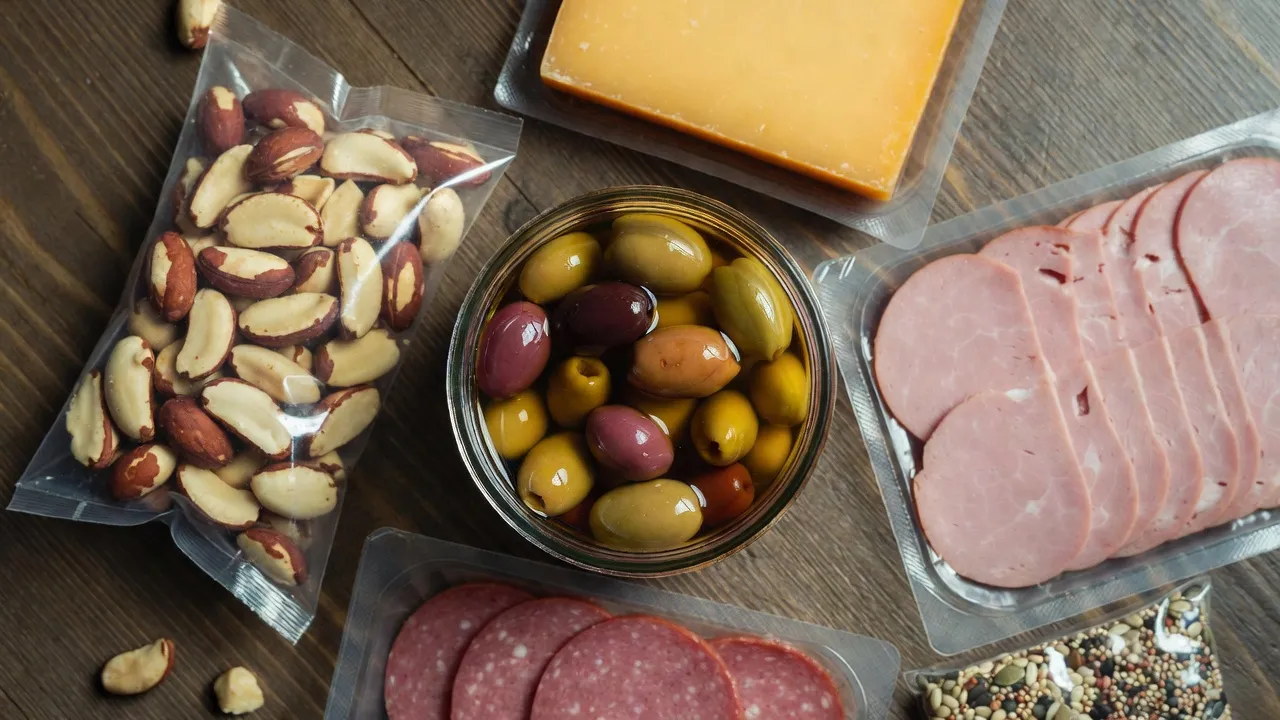
- plain nuts, seeds and olives
- olive oil, mustard, herbs and spices
You do not need a product labelled “keto” to shop successfully. In fact, ordinary minimally processed food is usually the easier choice.
The shared traps
High protein is not the same as low carb
Protein breads, wraps, sandwich thins and yogurts can still contain substantial carbohydrate. Treat “high protein” as marketing information, not a buying decision.
Breaded and marinated products
Breadcrumb coatings, wheat rusk and sweet glazes can turn an otherwise low-carb meat or fish product into a poor fit. Check the full carbohydrate figure, not only the sugar traffic light.
Flavoured dairy
Plain full-fat yogurt can work well. Fruit-flavoured and low-fat versions often introduce sugar or starch, so compare packs carefully.
Promotional lines
A useful loaf or snack may appear for a week and disappear again. Buy promotional products because the current label fits—not because an older guide says they should still be available.
A practical two-shop strategy
If both stores are convenient, there is no need to choose one permanently:
- Use the nearer discounter for everyday meat, dairy, eggs and vegetables.
- Pick Aldi when its familiar cream, peanut butter or chocolate lines suit your plan.
- Pick Lidl for nuts, tinned fish or a useful cheese event.
- Use a full-range supermarket for specialist bread, wraps or harder-to-find ingredients.
- Re-check the label whenever packaging or recipes change.
Frequently asked questions
Which is better for low carb, Aldi or Lidl?
Neither wins every aisle. Aldi is particularly useful for familiar low-carb staples such as cream, peanut butter and dark chocolate, while Lidl stands out for plain nuts, continental cheese events and tinned fish. For meat, eggs, butter and frozen vegetables, choose whichever shop is more convenient and check the current label.
Do Aldi or Lidl sell reliable low-carb bread?
Neither has a reliable permanent true low-carb sliced loaf. Occasional promotional lines can appear, but high-protein bread and wraps are often still high in carbohydrate. Lettuce wraps, a verified supermarket alternative or home baking are more dependable.
Are Aldi and Lidl high-protein products suitable for keto?
Not automatically. High protein is a separate claim from low carbohydrate. Check the UK carbohydrate figure on the back of the pack and pay particular attention to bread, wraps, flavoured yogurt, breaded meat and sweet marinades.
Is Aldi or Lidl cheaper for a low-carb shop?
They are closely matched, and the better choice often depends on your nearest branch and the products you actually buy. Use either for everyday meat, eggs, butter and vegetables, then compare the specialist items that matter to you.
Continue shopping
- Aldi Low-Carb Shopping Guide
- Lidl Low-Carb Shopping Guide
- All UK Supermarket Guides
- Best Low-Carb Bread in UK Supermarkets
- Budget Low-Carb UK
- The Low-Carb Food List
Product ranges and recipes change. The dedicated retailer guides show only barcode-matched product cards where manufacturer nutrition is available; prices are deliberately not listed.